GoMobile Project Objectives
These objectives define how Clemson University’s School of Nursing, together with partners Prisma Health and the South Carolina Department of Mental Health (SCDMH), is transforming rural healthcare access and nursing education across South Carolina.
A Vision Rooted in Access, Equity, and Education
When Go Mobile launched, its mission was bold yet simple:
bring nurse-led care and learning to the people who need it most.
Across South Carolina’s Appalachian, Midlands, and Pee Dee regions which are federally designated as medically underserved, Go Mobile set out to reduce health disparities while shaping the next generation of culturally competent nurses.
Expand Nurse-Led Mobile Health Units
Establish and grow mobile healthcare clinics led by nurses in partnership with Prisma Health and SCDMH.
Deliver primary, preventive, and mental-health services directly to rural and underserved communities.
Integrate nursing faculty and students into mobile units to connect academic learning with real-world community practice.
We don’t wait for patients to come to us — we meet them where they are.
Educate and Empower a Diverse Nursing Workforce
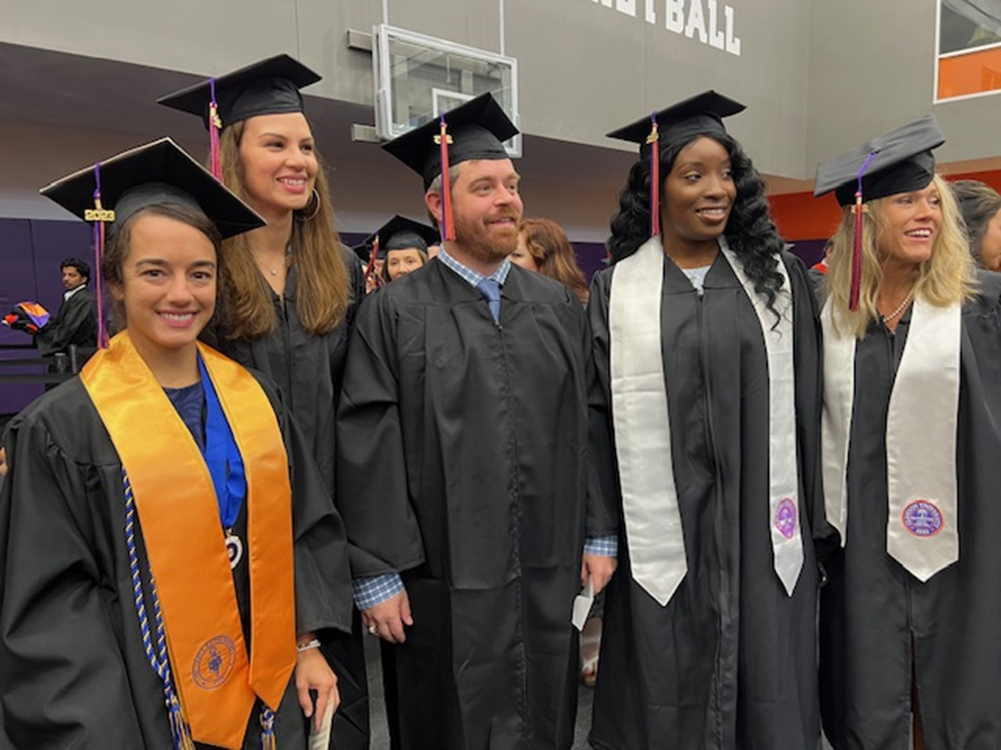
Recruit and financially support 45 RN/BS and MS/DNP students from underrepresented or economically disadvantaged backgrounds.
Provide 80 hours of immersive field experience for each trainee through mobile-care practice sites.
Embed didactic coursework in rural health, social determinants of health (SDOH), professionalism, communication, and leadership.
Diverse nurses build stronger, more trusted systems of care — especially in communities that reflect their own stories.
Strengthen Interprofessional Partnerships
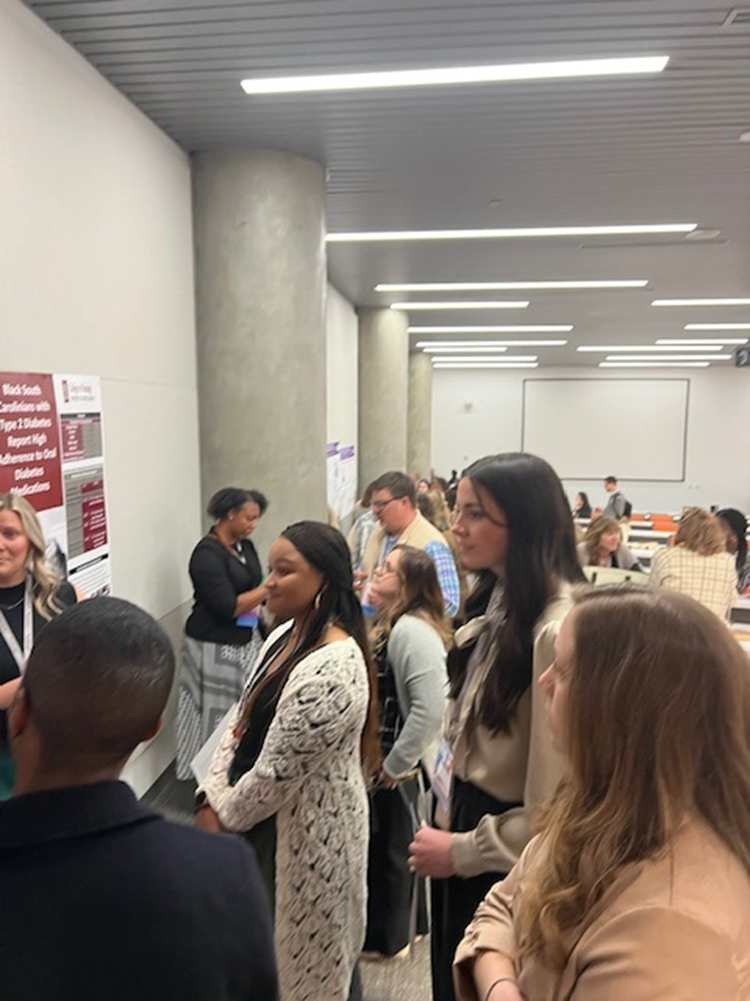
Foster collaboration among Clemson University, Prisma Health, SCDMH, and community stakeholders.
Develop a shared business model for mobile healthcare delivery that integrates nursing, behavioral health, and community services.
Use these partnerships to expand reach, align goals, and ensure sustainability beyond the life of the grant.
Advance Health Equity and Measurable Outcomes
Improve access to care in Health Professional Shortage Areas (HPSAs) and Medically Underserved Areas (MUAs).
Address key health challenges including:
- Mental health and suicide prevention
- Chronic disease management
- COVID-19 recovery and vaccination
Collect and analyze health-outcome data from each mobile site to track community impact and guide continuous improvement.
Health equity is not a one-time effort — it’s a measurable commitment.

Promote Long-Term Systemic Change
Engage chief nurse stakeholders as champions for sustainable mobile-health practices.
Record and share video testimonials and success stories to inspire ongoing nurse recruitment and retention.
Disseminate findings and models statewide, positioning Clemson’s Go Mobile as a national example for mobile, nurse-led rural care.